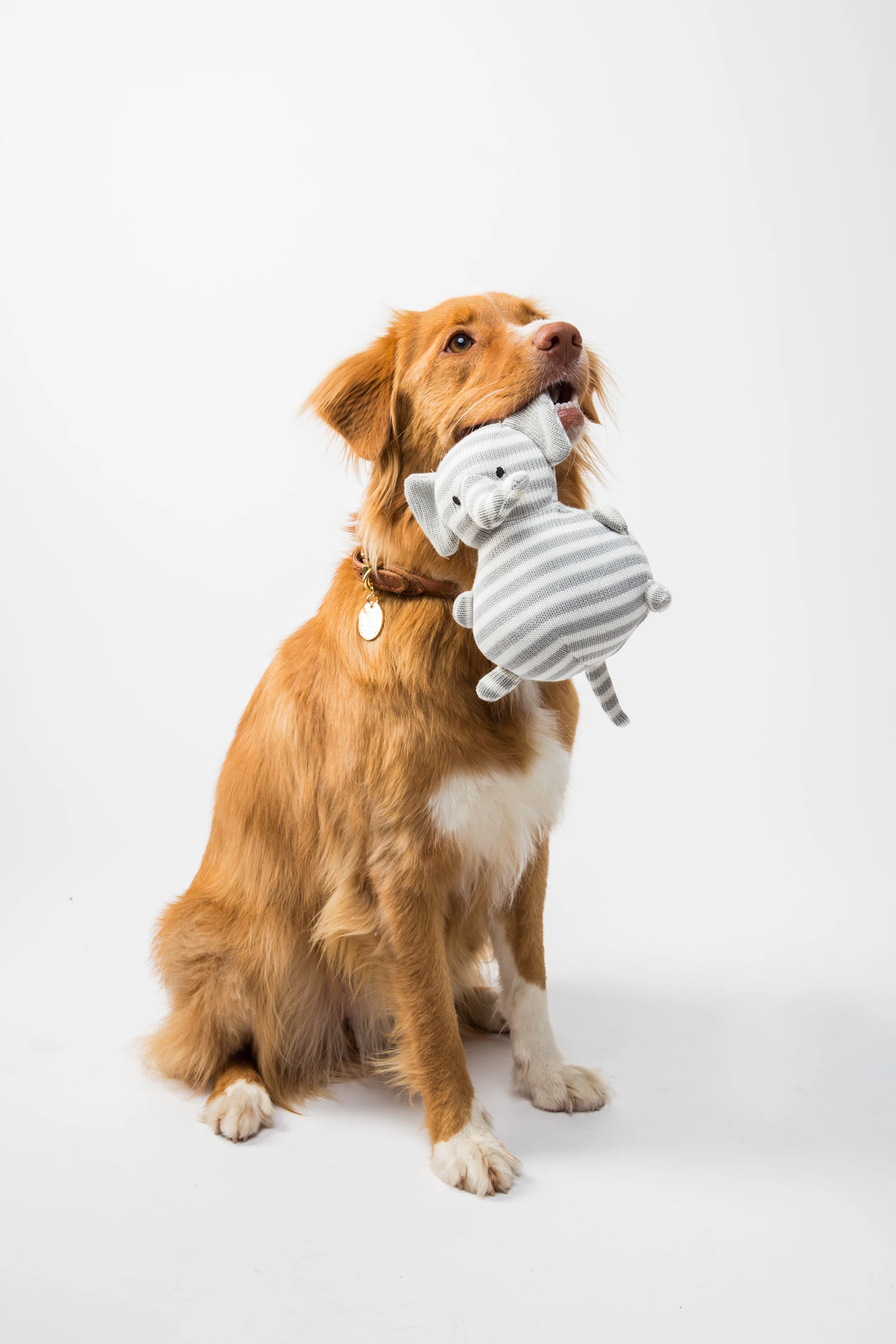
Collars, ID tags and microchips
- UK: by law, dogs in public places must wear a collar with a tag showing the owner’s name and address, and dogs must be microchipped with up-to-date details.
- US and EU: rules vary by state, city and country, but an ID tag and a registered microchip are the best way to get a lost dog home.
- You should be able to fit two fingers under a flat collar.
Harness or collar for walks?
Many owners use a harness for walking, especially for small dogs, flat-faced breeds and dogs that pull, because it spreads pressure away from the neck. Measure your dog’s chest and neck and check the size chart: a good fit lets the dog move its shoulders freely and won’t slip off backwards. A lead or leash of around 1.2–2 m (4–6 ft) suits everyday walks.
Crates and beds
- Crates: your dog should be able to stand up, turn around and lie down comfortably. For puppies, a crate with a divider lets you buy the adult size once.
- Beds: measure your dog lying stretched out. Washable covers save money over time. Older or larger dogs may benefit from supportive (orthopaedic) foam.
- Chewers: pick tough, chew-resistant beds and avoid stuffing a puppy might swallow.
Toys and enrichment
- Choose toys too big to swallow and replace them once they break apart.
- Food puzzles and lick mats slow down fast eaters and keep dogs busy.
- Avoid cooked bones, which can splinter.
- Rotate a few toys rather than buying new ones every week: it keeps them interesting.
New dog checklist
Bowls, food, collar and ID tag, lead and harness, bed, crate (optional), poop bags, a brush suited to the coat, toys and chews, a car restraint or crate, and an appointment with a vet. See our full new puppy checklist.
Last updated: 13 October 2026


