Rabbits
- Company: rabbits are social and are best kept with at least one other compatible, neutered rabbit.
- Space: they need room to hop, stretch and stand up, plus a secure run. A hutch alone isn’t enough.
- Diet: good-quality hay or grass should make up most of the diet, with fresh greens and a small portion of pellets.
- Health: vaccinations (such as for myxomatosis and RHD in the UK and Europe) and regular dental checks matter.
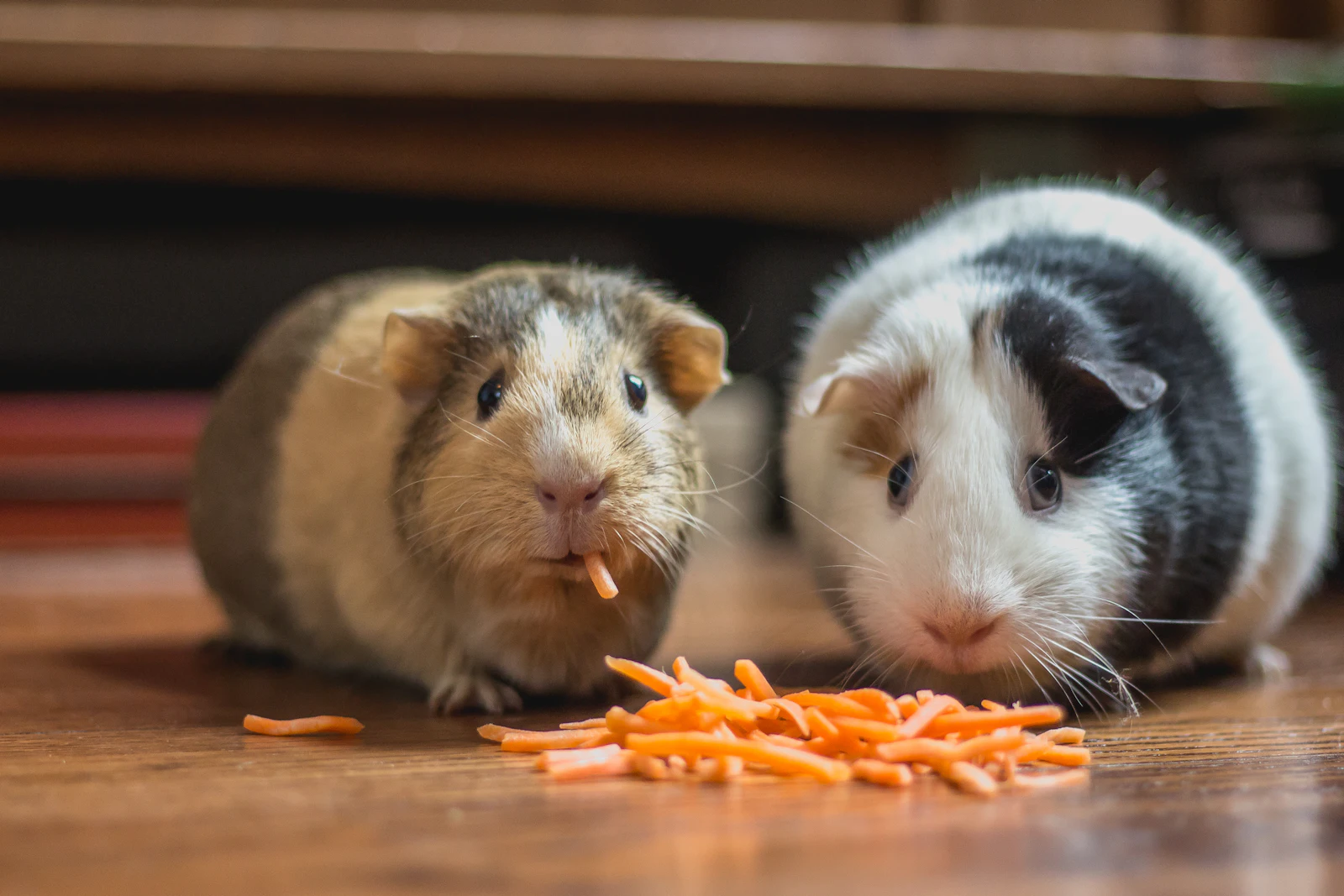
Guinea pigs
- Guinea pigs can’t make their own vitamin C, so they need it from their daily diet.
- They’re sociable and do best with another guinea pig. In Switzerland, keeping a single guinea pig alone is not allowed under animal welfare law.
- Like rabbits, they need unlimited hay and plenty of floor space.
Hamsters, gerbils and mice
- Syrian hamsters live alone and can fight if housed together.
- Choose a large enclosure with deep bedding for burrowing and a solid-surface wheel big enough that your pet’s back stays straight.
- Gerbils and mice are usually kept in same-sex pairs or groups.
Birds and fish
- Birds: buy the largest cage you can fit, with perches of varied widths. Fumes from overheated non-stick (PTFE) cookware can be deadly to birds, so keep birds away from the kitchen.
- Fish: set up and “cycle” a tank before adding fish so beneficial bacteria can build up. A test kit, heater (for tropical fish) and filter are essentials, not extras.
Compare the full set-up cost
Starter kits can look like good value but are often too small. Price up the housing you’ll actually need, plus bedding, hay or food, vet care and a second animal for companionship, before you buy.
Last updated: 13 October 2026


