Types of pet food
| Type | Good to know |
|---|---|
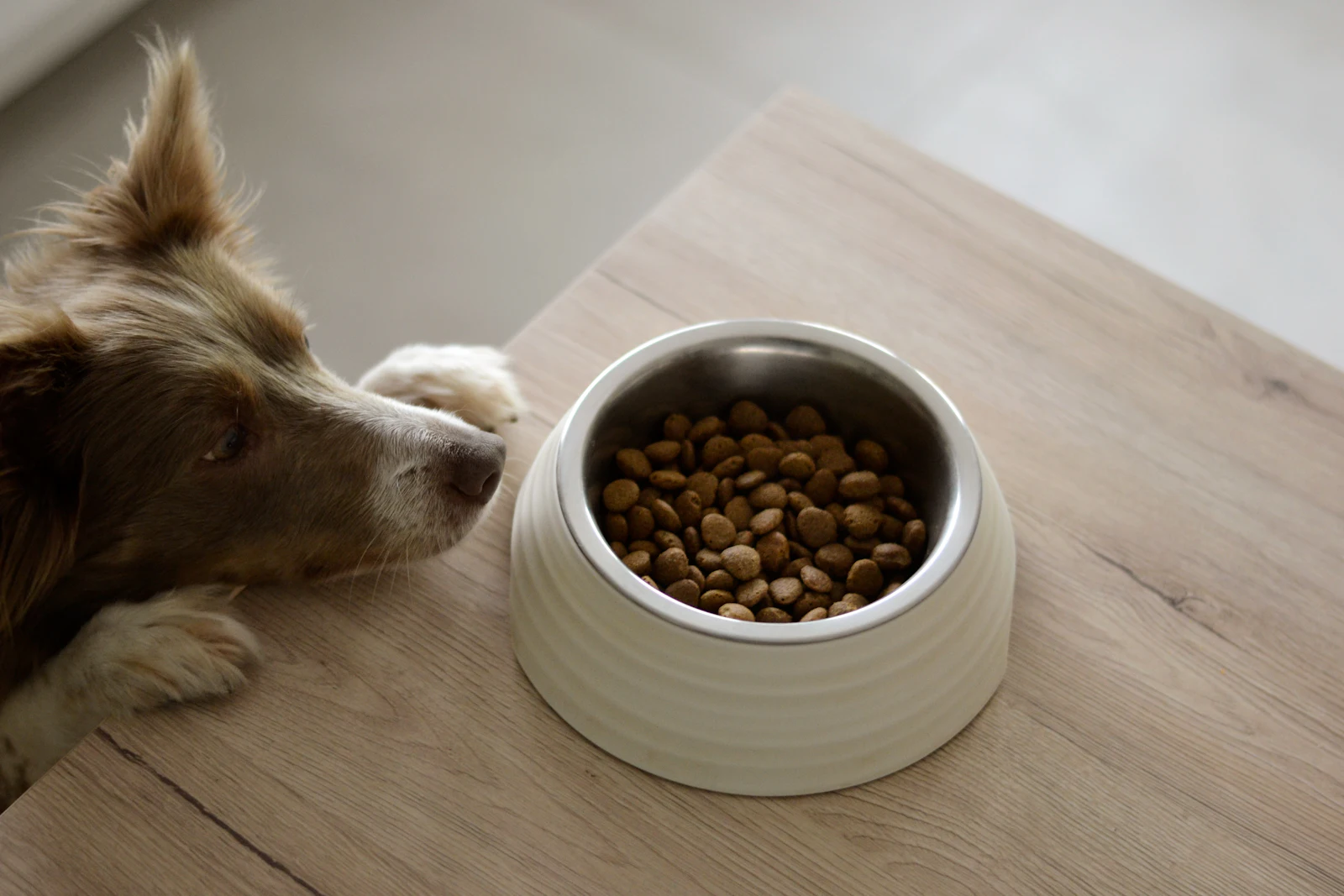
| Dry (kibble) | Usually the lowest cost per day. Keeps well once opened. Easy to measure and use in puzzle feeders. |
| Wet (cans, pouches, trays) | Higher moisture, which can help cats who drink little. Usually costs more per day than dry. |
| Mixed feeding | Part dry, part wet. Reduce each portion so the total matches your pet’s daily needs. |
| Fresh / cooked subscriptions | Delivered, portioned meals, often frozen or chilled. Convenient but usually the most expensive option. |
| Raw | Raw meat diets carry a risk of bacteria such as Salmonella for pets and people. Talk to your vet first and follow strict hygiene. |
“Complete” vs “complementary”: read the label first
The most important words on the pack tell you whether the food can be fed on its own:
- US: look for an AAFCO nutritional adequacy statement saying the food is “complete and balanced” for your pet’s life stage (growth, adult maintenance or all life stages).
- UK and EU: a “complete” food provides everything your pet needs on its own. A “complementary” food (many treats, toppers and some wet foods) must be fed alongside a complete food.
Our guide to reading pet food labels explains ingredient lists, naming rules and feeding guides in more detail.
Feed for life stage and size
- Puppies and kittens need food formulated for growth. Large-breed puppies often need a large-breed puppy food to support steady growth.
- Adults need an adult maintenance food matched to their activity level.
- Seniors may benefit from different calorie levels or textures. Ask your vet if your pet has health conditions.
- Special diets (kidney, urinary, weight loss, allergy) are often prescription or veterinary diets. Don’t switch without your vet’s advice.
How to work out the real cost per day
- Find the daily feeding amount for your pet’s weight on the pack (in grams or cups).
- Divide the pack size by the daily amount to get the number of days it lasts.
- Divide the price by the number of days. That’s your cost per day.
A cheaper bag isn’t always cheaper to feed. Energy-dense foods often have smaller daily portions, so compare cost per day, not price per kilo or pound.
Ways to pay less for pet food
- Subscribe and save: many online pet stores discount repeat deliveries. Check you can change or pause the order easily.
- Buy bigger bags if your pet will finish it before the best-before date, and store it in a sealed container.
- Loyalty schemes at pet stores and supermarkets can add up for regular buys.
- Avoid overfeeding: weigh portions. It saves money and helps keep your pet at a healthy weight.
- Change food gradually over about a week when switching to a better-value brand, to avoid upset stomachs.
See more ideas in our guide to saving on pet supplies.
Last updated: 13 October 2026


